A legacy of innovation, quality, and culinary experience.
Read our Newsletter
A legacy of innovation, quality, and culinary experience.
Read our Newsletter


Discover 9 impressive health benefits of pumpkin, from boosting immunity to supporting heart and skin health. Learn why pumpkin is a must-have in your diet!
Pumpkin, a quintessential symbol of autumn, is more than just a decoration for fall festivals or a key ingredient in pumpkin pie. This vibrant orange fruit is a nutritional powerhouse, offering an impressive range of health benefits. Whether you’re enjoying it as a savory soup, roasted side dish, or blended into smoothies, pumpkin provides an excellent way to nourish your body. From boosting immune function to supporting skin health and heart health, the humble pumpkin deserves a regular spot on your plate. Let’s explore in more detail the 9 impressive health benefits of pumpkin that make it a must-have in your diet.
Pumpkin is a highly nutritious food, providing an array of vitamins, minerals, and antioxidants, all while being low in calories. Here’s a closer look at some of the key nutrients found in this superfood:

Vitamin A: Pumpkin is one of the richest sources of beta-carotene, a potent antioxidant that the body converts into vitamin A. Vitamin A is crucial for maintaining healthy vision, boosting immune function, and supporting skin health. Just a cup of cooked pumpkin provides more than 200% of your daily vitamin A requirement.
Vitamin C: As a powerful antioxidant, vitamin C helps strengthen the immune system, protect the body from infections, and promote healthy skin by supporting collagen production.
Potassium: This essential mineral is vital for regulating blood pressure and maintaining proper heart and muscle function. A cup of cooked pumpkin provides about 500 mg of potassium, helping to balance sodium levels in the body.
Magnesium: This mineral is involved in over 300 biochemical reactions in the body, including nerve and muscle function, energy production, and bone health.
Fiber: Pumpkin is a fantastic source of dietary fiber, which aids in digestion, helps control blood sugar levels, and promotes a feeling of fullness to help with weight management.
This nutrient-dense profile makes pumpkin a highly beneficial addition to a healthy diet, providing essential vitamins and minerals with minimal calories.
Pumpkin is an immune-boosting food, thanks to its high content of vitamin A, vitamin C, and beta-carotene. These nutrients play a vital role in supporting and enhancing immune function. You can boost your immune system even further by adding fava beans to your pumpkin dish, as they provide additional vitamins and antioxidants to protect your health.
Vitamin A: Essential for maintaining the health of mucous membranes in the body, including those in the respiratory tract, which act as the first line of defense against harmful pathogens.
Vitamin C: Known for its immune-enhancing properties, vitamin C stimulates the production of white blood cells, which help fight off infections. It also acts as an antioxidant, protecting immune cells from oxidative damage.
Beta-carotene: This antioxidant helps neutralize free radicals, reducing the risk of infections and chronic diseases. It also contributes to the regeneration of healthy tissues, further supporting immune defense.
With its potent combination of immune-boosting nutrients, pumpkin is an excellent food to incorporate into your diet to maintain overall health, especially during cold and flu season.
The beta-carotene in pumpkin not only provides vibrant color but also plays a significant role in promoting healthy vision. Combining pumpkin with golden corn can enhance the benefits to your eyes, as both foods are rich in antioxidants that protect against macular degeneration and cataracts. Beta-carotene is a precursor to vitamin A, which is essential for good eyesight. Here’s how pumpkin benefits eye health:
Prevents night blindness: Vitamin A deficiency is one of the leading causes of night blindness, a condition where the ability to see in low-light environments is impaired. Regular consumption of pumpkin can help prevent this issue.
Reduces the risk of macular degeneration: Macular degeneration, a leading cause of vision loss among the elderly, is associated with damage from oxidative stress. The antioxidants in pumpkin, especially beta-carotene, help protect the eyes from such damage.
Protects from cataracts: The high levels of antioxidants like vitamin C and lutein in pumpkin help protect the eyes from oxidative damage caused by UV rays, reducing the risk of cataracts and other age-related eye conditions.
If you want to preserve your eye health as you age, adding pumpkin to your diet can help maintain clear, sharp vision.
Pumpkin’s health benefits extend to skin health as well. The combination of vitamin A, vitamin C, and other antioxidants in pumpkin provides anti-aging and skin-protective benefits. You can enjoy these skin benefits in a variety of ways, including by incorporating pasta with pumpkin and sage into your meals for a deliciously nutritious dish.
Vitamin A: This vitamin promotes healthy skin by encouraging cell turnover and repair. It helps keep your skin hydrated, smooth, and youthful-looking, and it can even reduce the appearance of fine lines and wrinkles.
Vitamin C: As an antioxidant, vitamin C helps protect the skin from environmental damage, such as pollution and UV rays, while also supporting collagen production. Collagen is vital for maintaining skin structure and elasticity, helping prevent sagging and wrinkles.
Antioxidants: Pumpkin contains a variety of antioxidants, such as zeaxanthin and lutein, which protect the skin from harmful free radicals that can accelerate the aging process.
These nutrients work together to keep your skin looking radiant and healthy while reducing signs of aging and environmental damage.
Pumpkin is an excellent food for weight management due to its low calorie and high fiber content. Here’s how pumpkin can help you achieve your weight loss goals: one option is to pair it with pasta Ditalini Rigate for a satisfying, yet low-calorie meal that will help you feel full without overindulging.
Low in calories: Despite being nutrient-dense, pumpkin is low in calories. A cup of cooked pumpkin contains only about 50 calories, making it a great option for those watching their calorie intake.
High in fiber: The fiber in pumpkin promotes feelings of fullness and helps control hunger. By slowing down digestion and stabilizing blood sugar levels, pumpkin helps reduce overeating and unnecessary snacking.
Hydration: With its high water content, pumpkin also contributes to hydration, which is essential for regulating metabolism and promoting fat loss.
By adding pumpkin to your meals, you can enjoy satisfying, low-calorie dishes that help curb hunger and support your weight loss journey.
Pumpkins are rich in dietary fiber, which is essential for maintaining good digestive health. Fiber promotes regular bowel movements and supports a healthy gut microbiome. A tasty option to incorporate into your diet is pasta Fusilli with pumpkin, a delicious way to keep your digestive system functioning well. Here’s how pumpkin helps with digestion:
Prevents constipation: The fiber in pumpkin adds bulk to stool, helping to move waste through the digestive system and prevent constipation.
Promotes gut health: Fiber acts as a prebiotic, providing food for beneficial gut bacteria. A healthy gut microbiome is crucial for overall digestion, nutrient absorption, and immune function.
Regulates blood sugar: Fiber slows the digestion and absorption of sugars, helping to regulate blood sugar levels and prevent spikes that can lead to digestive discomfort.
Including pumpkin in your diet can keep your digestive system running smoothly and support a healthy gut microbiome.
Pumpkin is a heart-healthy food thanks to its combination of potassium, fiber, omega-3 fatty acids, and antioxidants. Here’s how these nutrients contribute to cardiovascular health:
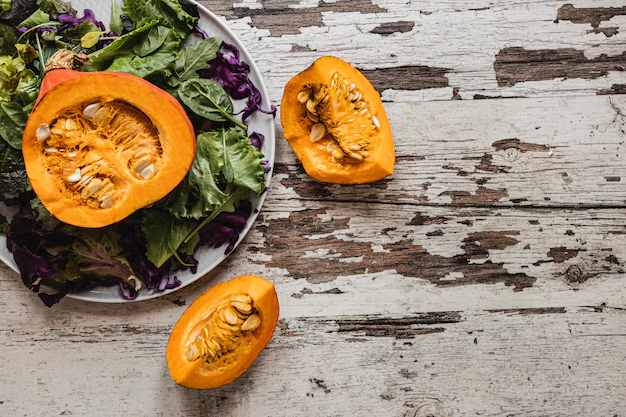
Potassium: This essential mineral helps lower blood pressure by balancing the effects of sodium in the body. Maintaining healthy blood pressure is crucial for reducing the risk of heart disease and stroke.
Omega-3 fatty acids: Found in pumpkin seeds, omega-3 fatty acids have anti-inflammatory properties and help reduce triglyceride levels, which can lower the risk of heart disease.
Fiber: The soluble fiber in pumpkin helps reduce LDL cholesterol (the “bad” cholesterol) and prevents plaque buildup in the arteries, lowering the risk of atherosclerosis and heart disease.
With its heart-healthy nutrients, pumpkin is an excellent food choice for maintaining cardiovascular health.
Pumpkin is loaded with a variety of antioxidants, including beta-carotene, vitamin C, vitamin E, and zeaxanthin, which protect the body from oxidative stress and free radical damage. For an added flavor boost, try mixing pumpkin with creamy mayonnaise for a delicious and antioxidant-rich spread. These antioxidants play a crucial role in preventing chronic diseases and promoting longevity.
Beta-carotene: As an antioxidant, beta-carotene neutralizes free radicals, reducing the risk of cancer, heart disease, and inflammation.
Vitamin C: This antioxidant helps protect cells from oxidative damage, supports immune function, and aids in the absorption of iron from plant-based sources.
By regularly consuming pumpkin, you can boost your body’s antioxidant defenses and help protect yourself from a wide range of chronic diseases.
Pumpkin contains tryptophan, an amino acid that is essential for the production of serotonin and melatonin. These chemicals regulate mood, relaxation, and the sleep-wake cycle. Here’s how pumpkin contributes to better sleep:
Serotonin: This neurotransmitter plays a role in mood regulation and feelings of well-being, contributing to overall relaxation.
Melatonin: Known as the “sleep hormone,” melatonin regulates the sleep-wake cycle. Consuming foods rich in tryptophan, like pumpkin, can help increase melatonin production and promote restful sleep.
If you struggle with insomnia or find it difficult to wind down before bed, a small serving of pumpkin may help promote a more peaceful night’s sleep.
Pumpkin is far more than just a fall decoration; it’s a nutritional powerhouse packed with vitamins, minerals, and antioxidants that offer a wide range of health benefits. From boosting immune function to improving digestion, heart health, and skin, pumpkin deserves a place in your regular diet. With its impressive nutrient profile, including high levels of vitamin A, vitamin C, fiber, and potassium, this vibrant vegetable supports overall wellness in numerous ways. So, whether you’re enjoying it in a savory dish, smoothie, or baked treat, make sure to reap the many health benefits of pumpkin all year round.