A legacy of innovation, quality, and culinary experience.
Read our Newsletter
A legacy of innovation, quality, and culinary experience.
Read our Newsletter


Transform everyday meals with 9 creative ways to use hot sauce, adding bold flavors to breakfast, pasta, soups, and more for a spicy twist!
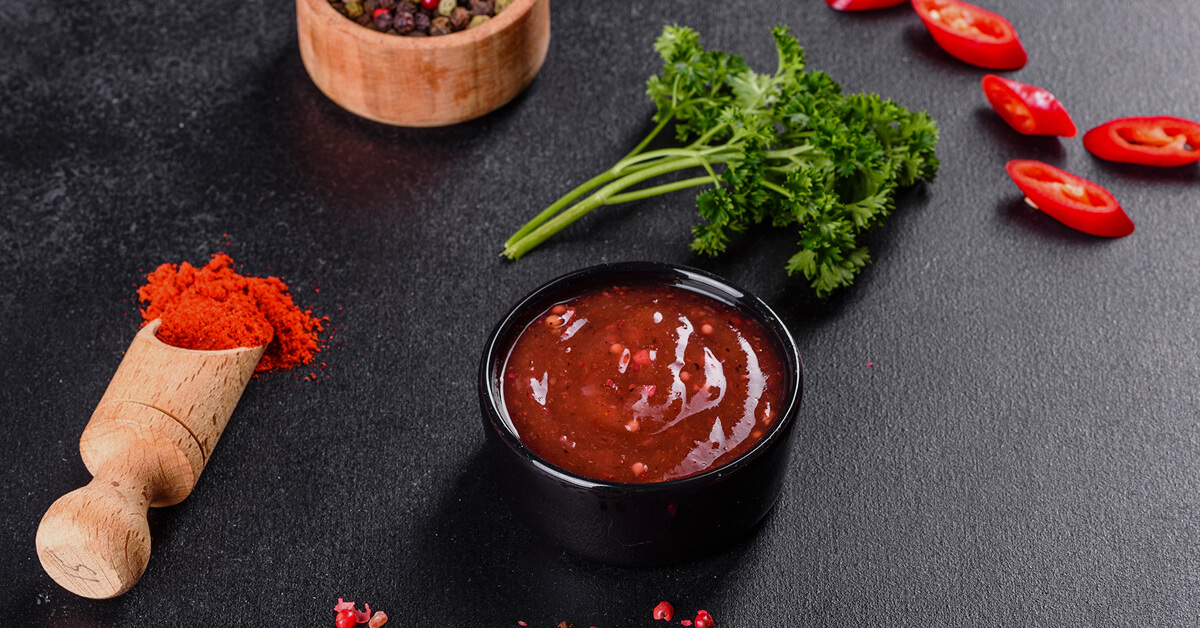
Hot sauce has long been a beloved condiment, often seen as the perfect companion to spicy dishes like tacos, burritos, and wings. However, the potential of this fiery sauce extends far beyond the familiar, everyday uses. Whether you're a seasoned spice lover or someone just beginning to appreciate heat in your meals, hot sauce offers a vast array of possibilities to bring bold flavors to all kinds of dishes. In this blog, we will explore nine creative and detailed ways to incorporate hot sauce into your everyday cooking to transform even the most basic meals into extraordinary culinary experiences.

The first meal of the day is often predictable: eggs, toast, bacon, and maybe some fruit. While there's nothing wrong with these breakfast staples, you can easily transform them into something far more exciting with the addition of hot sauce.
Start with scrambled eggs or omelets, adding a few dashes of hot sauce to your eggs before or after cooking creates a beautiful balance between the creamy texture of the eggs and the heat of the sauce. If you're making an omelet, hot sauce can enhance the other ingredients like cheese, onions, and peppers, making each bite more flavorful.
For a different twist, turn your avocado toast into a spicy delight. Spread mashed avocado on your favorite bread and top it with a generous drizzle of hot sauce, along with a sprinkle of salt, pepper, and a dash of lime juice. This combination not only adds heat but also introduces a nice contrast between the richness of avocado and the sharpness of hot sauce.
If you're craving something heartier, try a breakfast burrito. Scramble eggs, add your choice of meat (like bacon or chorizo), some cheese, and sautéed veggies, then finish it with a few squirts of hot sauce. The heat from the sauce will balance the richness of the eggs and cheese, adding excitement to your breakfast routine.
For a refreshing change, consider adding some fresh vegetables to your breakfast burrito, like bell peppers, spinach, or tomatoes. These vegetables will complement the hot sauce, adding a crisp, refreshing element to the dish.
Pro Tip: For those who prefer sweet breakfasts, try adding a touch of hot sauce to maple syrup. This spicy-sweet combination is a game-changer on pancakes or waffles, adding a layer of unexpected flavor that elevates the dish to a whole new level.

While pasta is often paired with tomato-based sauces or creamy alfredo, hot sauce can offer a flavorful twist, adding heat and depth to your favorite pasta dishes.
Take a basic marinara sauce and give it a fiery upgrade by adding a few dashes of hot sauce. The acidity of the tomato sauce pairs beautifully with the heat, making the dish more complex and intriguing. For a spicier alternative, try adding hot sauce to a bolognese sauce, where the richness of the meat and tomatoes is complemented by the heat.
Hot sauce also works well with seafood pasta. For instance, toss shrimp in a mix of olive oil, garlic, lemon juice, and a few splashes of your favorite hot sauce. Once combined with pasta, this dish delivers a wonderful balance of flavors, where the heat cuts through the richness of the shrimp and adds a lively zing to the pasta.
If you're a fan of creamy pasta dishes like Alfredo or carbonara, don't be afraid to introduce hot sauce into the mix. A few dashes will contrast with the creamy texture of the sauce and provide a welcome burst of heat that will awaken your taste buds. For extra flavor, add crushed red pepper flakes or a squeeze of lemon juice.
For a lighter, protein-packed alternative, toss light meat tuna with pasta, hot sauce, and a squeeze of lemon. The tuna’s mild flavor pairs beautifully with the spicy sauce, making it a perfect addition to your pasta routine.

One of the easiest ways to incorporate hot sauce into cooking is through marinades and glazes. Whether you're grilling, roasting, or sautéing meats, seafood, or even tofu, a hot sauce-based marinade can infuse the food with heat, tang, and flavor.
For a marinade, mix hot sauce with ingredients like honey, soy sauce, garlic, and lime juice. The honey balances the heat, while the soy sauce adds a savory depth, making it the perfect marinade for chicken, pork, or even grilled vegetables. The acidity of lime juice cuts through the richness of the meat, creating a beautifully balanced dish.
For grilling, hot sauce works wonderfully as a glaze. Brush a mixture of hot sauce, brown sugar, and vinegar onto your meat while it's cooking on the grill. The sugars in the glaze will caramelize, creating a delicious sticky coating that not only adds heat but also imparts a smoky sweetness to the food.
Pro Tip: If you're working with seafood, like shrimp or salmon, try using a tangy, vinegar-based hot sauce. This combination works well with the delicate flavors of the fish and brings out the natural sweetness of the seafood while providing a vibrant punch of heat.

Soups and stews are excellent comfort foods, but they can sometimes lack excitement. Hot sauce, however, can bring bold flavor and spice to these warm, hearty dishes. A few drops of hot sauce can elevate even the most basic broth, adding complexity and layers of flavor.
In tomato-based soups like classic tomato or minestrone, hot sauce can add an extra kick and make the flavors pop. The heat from the sauce pairs wonderfully with the acidity of tomatoes, creating a more dynamic dish. If you’re making a creamy soup, such as potato or corn chowder, the contrast between the creaminess of the soup and the heat from the hot sauce creates a delightful balance of rich and spicy.
For chili or stews, hot sauce can become an integral part of the base, infusing the entire pot with flavor. Whether you’re making a beef chili, chicken stew, or vegetarian lentil soup, the right amount of hot sauce can take the dish from good to great, accentuating the deep flavors of the ingredients and creating an unforgettable bowl of comfort food.
Pro Tip: When adding hot sauce to soups and stews, start with just a small amount and taste as you go. This ensures the spice level is perfect for your palate, without overwhelming the dish.

Salads are a great way to eat healthy, but sometimes they can feel a bit bland. A spicy dressing can turn an ordinary salad into something exciting and flavorful. Hot sauce is a perfect ingredient to liven up your salad dressings and bring a new dimension to your greens.
For a simple vinaigrette, combine hot sauce with olive oil, sugar cane vinegar, Dijon mustard, and a little honey. The heat from the sauce contrasts beautifully with the acidity of the vinegar and the sweetness of the honey, creating a perfect balance. This dressing works well on salads with crisp greens like arugula, spinach, or mixed lettuces.
If you’re a fan of creamy dressings, try blending hot sauce with creamy mayonnaise or sour cream. The creamy base pairs wonderfully with the heat, making a tangy, spicy dressing that's perfect for salads, as well as dipping sauces for vegetables or grilled meats.
Pro Tip: For a more exotic twist, mix hot sauce with coconut milk, lime juice, and cilantro for a Thai-inspired dressing that pairs beautifully with fresh salads, grilled chicken, or even shrimp.

Vegetables are often praised for their health benefits, but sometimes they can feel a little bland. Adding hot sauce while sautéing vegetables brings a burst of flavor, turning them from simple side dishes to something more exciting and memorable.
When sautéing vegetables like bell peppers, onions, mushrooms, or zucchini, add a few dashes of hot sauce to the pan just before finishing. The heat will meld beautifully with the natural sweetness of the vegetables and elevate their flavor. If you're aiming for a smoky flavor, try using chipotle hot sauce to create a deep, rich heat that enhances the vegetables' natural taste.
Hot sauce also works wonders with stir-fried vegetables. Combine it with soy sauce, garlic, ginger, and sesame oil for a quick, spicy stir-fry that's packed with flavor.
Pro Tip: Roasted vegetables can also benefit from a drizzle of hot sauce. After roasting, toss the vegetables with hot sauce and a squeeze of fresh lime to give them an irresistible tangy, spicy kick.

If you're hosting a party or simply craving a snack, hot sauce is a fantastic ingredient for spicing up your favorite dips. Traditional guacamole can be taken to the next level by mixing in a bit of hot sauce. The rich, creamy texture of the avocado complements the heat of the sauce, creating a flavor profile that is both comforting and bold.
You can also experiment with hot sauce in salsas. Whether you're making a fresh tomato salsa, mango salsa, or a roasted tomato version, adding hot sauce gives the salsa an extra zing and a more pronounced heat. For a creamy dip, mix hot sauce with sour cream, cream cheese, or Greek yogurt for a tangy, spicy dip that pairs perfectly with chips, crackers, or fresh veggies.
Pro Tip: For a smoky kick, try mixing hot sauce with roasted red peppers or chipotle peppers in adobo sauce to make a smoky, spicy dip that will have everyone coming back for more.

While hot sauce is traditionally associated with savory dishes, it can also make its way into baked goods. Adding a touch of hot sauce to chocolate-based desserts, like brownies or chocolate cake, creates a subtle heat that enhances the richness of the chocolate. The combination of spice and sweetness is a surprising, yet delightful, contrast that will have your guests asking for the recipe.
For an unexpected twist, incorporate hot sauce into cookie dough. A dash of hot sauce adds complexity to chocolate chip cookies, creating a mouthwatering contrast between the sweet dough and the heat.
Pro Tip: If you’re baking fruit-based desserts like pies or crumbles, adding a bit of hot sauce to the filling can create a spicy-sweet balance that works beautifully with tart fruits like apples, berries, or peaches.

Hot sauce doesn’t just belong in the kitchen, it can also enhance your drinks. One of the most popular cocktails to feature hot sauce is the Bloody Mary. A few dashes of hot sauce are key to achieving the perfect balance of heat and flavor. Hot sauce pairs beautifully with the savory tomato juice, and it helps to bring out the flavors of the other spices like Worcestershire sauce and celery salt.
For something a little different, try adding hot sauce to tequila-based cocktails like a margarita. The heat from the sauce contrasts with the citrusy zing of lime, creating a vibrant, spicy drink that’s perfect for hot summer days.
If you prefer a non-alcoholic option, mix hot sauce with lime juice, a pinch of salt, and soda water for a refreshing mocktail that’s both tangy and spicy.
Hot sauce is far more than a simple condiment for spicing up tacos and wings. With its ability to add complexity, depth, and heat, it can be used in a wide range of creative ways to elevate your cooking. From breakfast to dinner, savory dishes to sweet treats, and even beverages, hot sauce is a versatile ingredient that can transform ordinary meals into extraordinary culinary experiences. So, next time you're cooking, reach for that bottle and let your creativity run wild, you’ll be amazed at the flavors you can create with just a dash of heat!